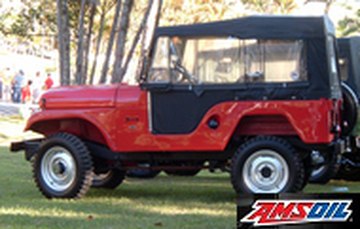
Maintenance Guidance for the 1983 Jeep CJ-5 4.2L
Maintaining a vintage vehicle requires consistent attention to fluid levels and component health. For owners of the 1983 Jeep CJ-5 equipped with the 4.2L engine, understanding the specific requirements for different gear systems is essential for long-term operation. Proper lubrication prevents premature wear in the drivetrain and ensures that moving parts operate within their intended design parameters.
What differential or gear oil does my 1983 Jeep CJ-5 4.2L take?
Based on available product listings, several options are listed for this vehicle: SEVERE GEAR® 75W-90, 75W-90 Long Life Synthetic Gear Lube, SEVERE GEAR® 75W-110, SEVERE GEAR® 80W-90, and SEVERE GEAR® 75W-140. You should consult your owner's manual or a service professional to determine which of these specific viscosities is required for your particular differential setup.
Engine Oil Lubrication Requirements
The engine relies on consistent lubrication to manage friction and heat. For the 1983 Jeep CJ-5 with the 4.2L engine, the database allows for the use of 10W-30 engine oil. Maintaining the correct viscosity is a fundamental aspect of engine care. Using the specified grade helps ensure that the oil flows correctly through the engine components during startup and maintains an adequate film strength as operating temperatures rise.
Regularly checking the engine oil level is a primary maintenance task. Low oil levels can lead to increased component wear, while excessively old oil may lose its ability to suspend contaminants or resist thermal breakdown. Always refer to the manufacturer's maintenance schedule to determine when an oil change is necessary for your specific vehicle.
Monitoring Fluid Integrity and Contamination
Beyond just checking levels, observing the condition of your fluids can provide insight into the health of your engine and drivetrain. Engine oil that appears excessively dark, gritty, or milky may indicate issues such as soot buildup, fuel dilution, or coolant intrusion. Similarly, gear oils in the differentials should be inspected for signs of contamination or a burnt odor, which can suggest overheating or moisture entry.
Water contamination is a common concern in older vehicles, especially if they are stored in humid environments or driven through standing water. If you notice a milky emulsion in your engine oil or gear lube, it is important to address the source of the leak or seal failure immediately to prevent damage to bearings and gears.
Drivetrain and Gear System Care
The gear oils listed for this vehicle, ranging from 75W-90 to 75W-140, serve different roles in managing the load and temperature within the differentials. While the specific viscosity required depends on your axle configuration, keeping these systems filled with the correct type of lubricant is vital. Gear oil provides the necessary film strength to protect the teeth of the ring and pinion gears under high pressure.
When performing maintenance on the gear systems, ensure that all vent plugs are clear. Blocked vents can cause pressure buildup as the differential heats up, which may lead to seal failure and subsequent fluid loss. Regularly inspecting the seals around the axle shafts and pinion can help catch leaks before they become significant.
Routine Maintenance Scheduling
To keep a 1983 Jeep CJ-5 running reliably, you must adhere to a consistent maintenance routine. Because this is a classic vehicle, following the manufacturer's original service intervals is the most reliable way to manage upkeep. If the owner's manual provides specific mileage or time-based intervals for oil changes and gear service, those should be your primary guide.
If you find that the vehicle is subject to different operating conditions than what was originally envisioned by the manufacturer, you may need to inspect fluids more frequently. Frequent inspections of the engine oil, gear oils, and cooling system help identify potential issues before they result in mechanical failure.
General Vehicle Inspection Tips
A comprehensive maintenance approach includes more than just fluid changes. Periodically inspecting the underside of the vehicle for signs of weeping or dripping can help you stay ahead of leaks. Check the mounting points for the engine and transmission, as well as the condition of various hoses and belts. Even if a component is not currently failing, looking for cracks, fraying, or hardening in rubber parts is a proactive way to manage the aging process of a vintage vehicle.
BUYING ENGINE OIL
When you are ready to purchase supplies, ensure you are selecting 10W-30 engine oil as specified for this application. When shopping, look for products that meet the necessary quality standards for your engine type. Always verify that the container is properly sealed and that the viscosity grade matches your requirements before adding it to your vehicle.